Rwanda Marks a Milestone with High-Level Dialogue on RS 560:2023 Advancing Gender Equality through Standards
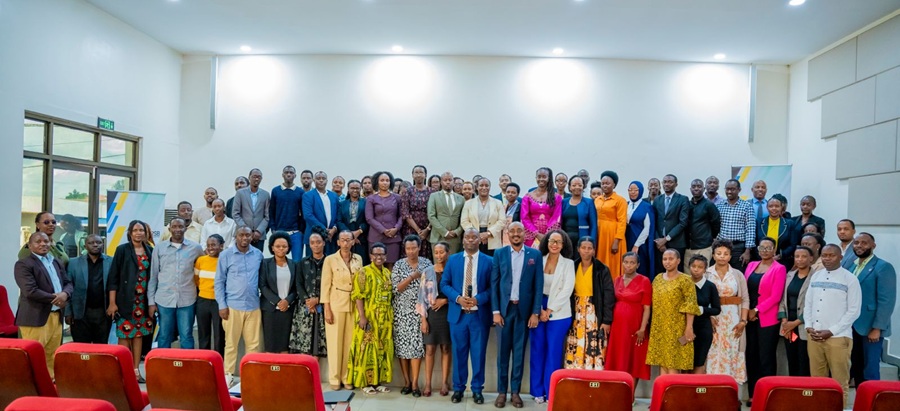
Kigali,15th May 2025, in a significant step toward strengthening gender accountability and workplace inclusivity, a High-Level Dialogue was held today under the theme “Advancing Gender Equality through Standards that Drive Accountability and Inclusion.” The event centered on RS 560:2023, Rwanda’s newly established national standard on gender equality, and marked a pivotal transition from the Gender Equality Seal (GES) Programme to a broader, standards-based framework.
The High-Level Dialogue convened an influential group of leaders and stakeholders committed to advancing gender equality in Rwanda. Among the distinguished attendees were Hon. Uwimana Consolee, Minister of Gender and Family Promotion; Raymond Murenzi, Director General of the Rwanda Standards Board; Umutoni Gatsinzi Nadine, Chief Gender Monitor; and Fatmata Lovetta Sesay, UNDP Rwanda Resident Representative. The event also brought together CEOs and senior representatives from both public and private institutions enrolled in the Gender Equality Seal Programme, underscoring a shared commitment to fostering inclusive, accountable, and gender-responsive workplaces across the country.

From Left( Raymond Murenzi,DG RSB,, UNDP Rwanda Resident Representative, Hon. Uwimana Consolee, Minister of Gender and Family Promotion and Umutoni Gatsinzi Nadine, Chief Gender Monitor.)
During the High-Level Dialogue, participants reflected on critical milestones and shared insights across five key thematic areas. These included the progress of the Gender Equality Seal Programme, which has laid a strong foundation for institutional transformation; the key steps and certification journey under RS 560:2023, offering a structured pathway for advancing gender equality; and the importance of establishing strategic linkages to ensure a seamless transition from GES to the new national standard. The dialogue also emphasized the vital role of leadership in championing and sustaining change within organizations, as well as the need to mobilize institutions for long-term, systemic impact that goes beyond compliance and drives real inclusion.
“Certification against gender responsive standards opens doors to new market opportunities that were previously inaccessible. While improved enterprise competitiveness is achieved, implementation of standards is a crucial strategy for fostering economic growth,” said Raymond Murenzi, DG of Rwanda Standards Board
The transition to RS 560:2023 was praised as a bold and transformative step, positioning Rwanda as the first African country to establish national gender standards. This new standard offers a structured pathway for organizations to move beyond commitment and toward measurable accountability in achieving gender equality.
Chief Gender Monitor Umutoni Gatsinzi Nadine emphasized the urgency of moving from promises to action:
“We mark a milestone in Rwanda’s gender journey, celebrating the #GenderEqualitySeal & embracing RS 560:2023. Let’s move from commitment to accountability. Equality is not a privilege, but a guarantee.
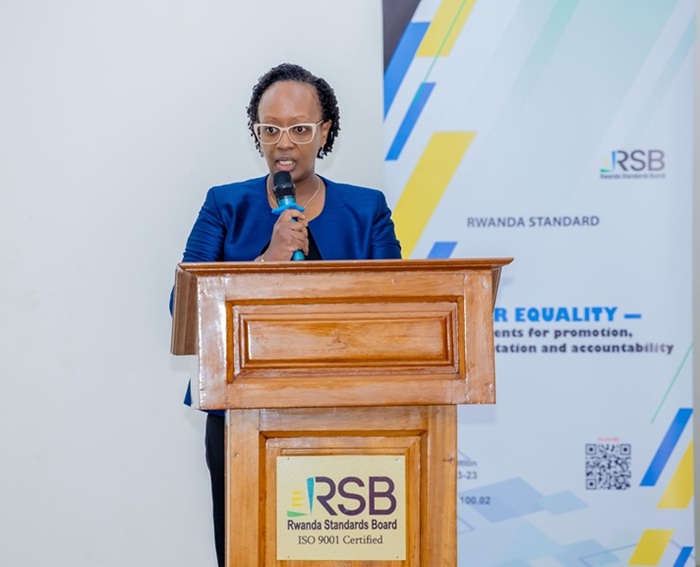
Chief Gender Monitor, Umutoni Gatsinzi Nadine
As Rwanda celebrates the achievements of the last seven years under the Gender Equality Seal Programme, this dialogue underscored the country’s continued commitment to setting the bar high. The RS 560:2023 standard now stands as a national benchmark for institutions aiming to create inclusive, equitable, and safe work environments for all.
The standard offers institutions practical guidance to integrate gender considerations into recruitment, budgeting, leadership, service delivery, and internal policies. It aligns with global best practices and enhances the credibility and competitiveness of certified entities, opening doors to both local and international markets.
"RS 560 standard on gender equality is intended to be more than a certification; it is a strategic tool to advance inclusive and equitable development by embedding gender equality into institutional culture and practice!” highlighted Fatmata Sesay, Resident Representative
In her closing remarks, Minister Uwimana Consolee reinforced Rwanda’s leadership role in gender inclusion:
“From the Gender Equality Seal to becoming the 1st African country with national gender standards, Rwanda leads by action. Let's go beyond compliance challenge bias, revisit policies, and promote shared responsibility.”
Together, public and private entities are called to lead by example, transforming workplaces and driving inclusive development. The journey continues from commitment to certified change.